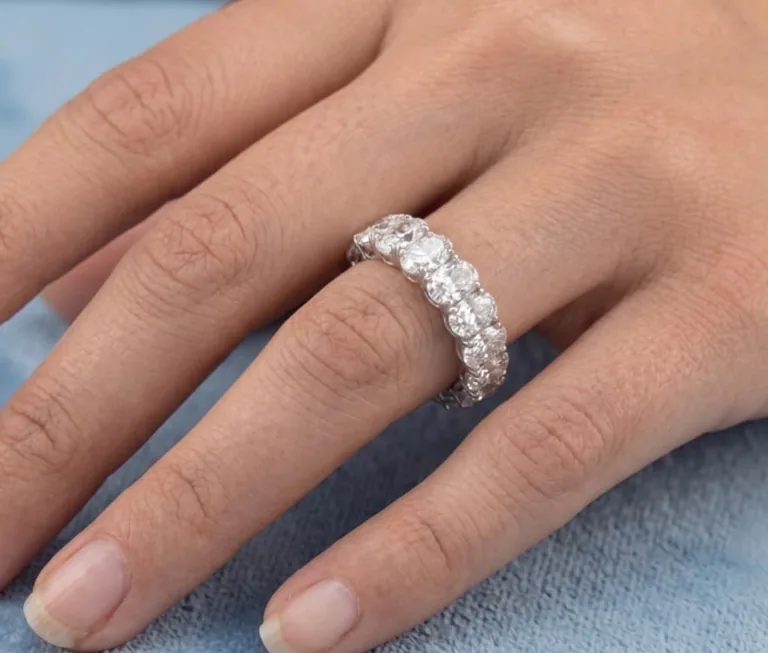
It is the question almost every client wants to ask and few like to raise: what does a bespoke engagement ring actually cost? The honest answer is that the price is built, piece by piece, from decisions you make together with your jeweller. Understanding those decisions is the best way to spend well, and to put your budget where it will be seen.
The centre stone: most of the budget
In a solitaire or a halo design, the centre stone usually accounts for the larger part of the price. For a diamond, value is set by the four Cs, carat, colour, clarity and cut, and the steps between grades are rarely gentle. Prices climb sharply at popular weights such as one and two carats, and between the top colour grades.
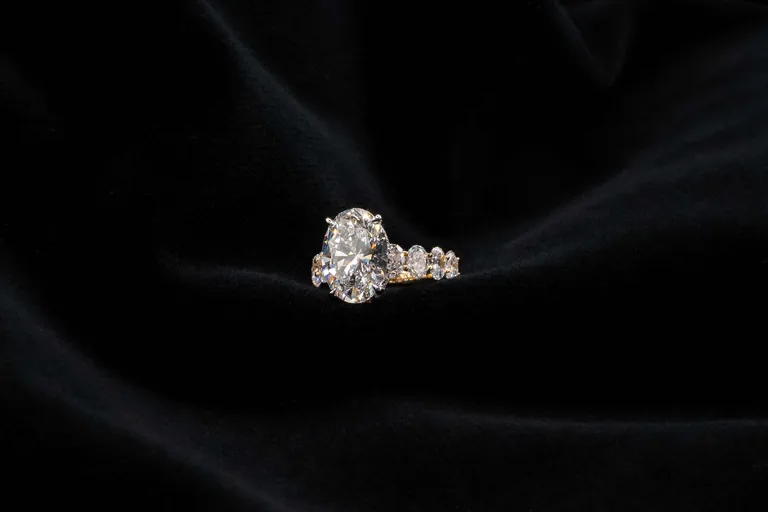
At the very top of the scale, the figures become remarkable. A GIA-certified 2.01-carat round brilliant of D colour and Internally Flawless clarity, with a Triple Excellent cut, the stone at the heart of a recent commission, commands upwards of £30,000 per carat. Most beautiful engagement rings use stones far below that summit; the skill lies in choosing where to step down without the eye noticing.
Coloured stones follow their own logic. A pigeon-blood ruby, a Muzo emerald or a natural pink diamond is priced on colour, origin and treatment, and a laboratory report from a respected lab is essential.
Where to spend, and where to save
- Spend on cut. Cut decides how a diamond handles light. A superbly cut stone looks larger and brighter than a poorly cut one of the same weight.
- Save just below the round numbers. A 0.95-carat diamond can look all but identical to a 1.00-carat stone, at a meaningfully lower price.
- Choose the colour for the metal. A near-colourless diamond set in yellow gold can look whiter than its grade suggests.
- Buy clarity you cannot see. Beyond "eye-clean", a higher clarity grade adds cost without adding visible beauty.
The metal and the making
Platinum is denser and harder-wearing than gold, and it is the natural choice for holding a precious centre stone securely. It also costs more to work. 18K gold, in white, yellow or rose, offers warmth and a slightly lower price.
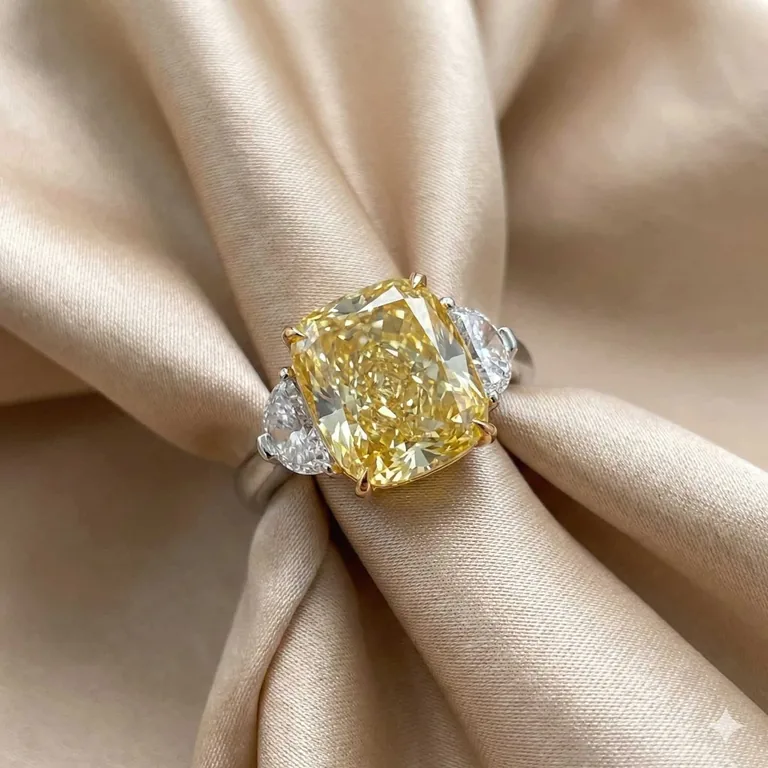
The making is the part of a bespoke ring that is easiest to underestimate. A true bespoke ring begins with a hand-painted gouache design, moves into precise 3D engineering, and is then cast, finished and set by master craftsmen. Micro-pavé, hidden galleries and engraving each add hours at the bench, and hours at the bench are what separate an heirloom from a mould.
What should be included
Whatever you spend, a ring of this importance should come with:
- A laboratory report for every significant stone, from GIA, Gübelin, SSEF or a lab of similar standing.
- A UK hallmark. Precious-metal articles above minimum weights must be hallmarked by an assay office before they can be described as gold or platinum. Read more in our hallmarking guide.
- An insurance valuation, so the ring can be insured from the day it is given.
- Fully insured delivery, or collection from the atelier.
A guide to our prices
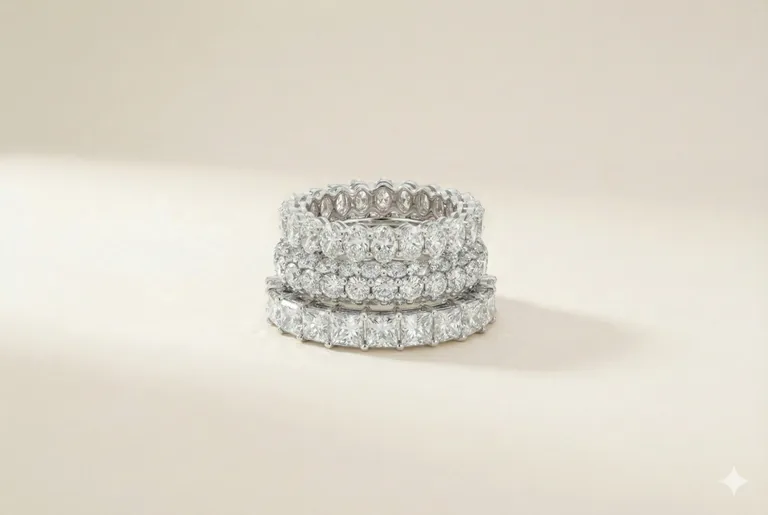
To give a sense of scale, the pieces in our collection currently range from around £3,000 for a triple-row diamond eternity band to £16,600 for the Aurora fancy pink diamond ring and £19,500 for the Volute conch pearl ring. A bespoke engagement ring is priced individually, once the stone and design are chosen, and we are always transparent about where each part of the budget goes.
The best way to understand what your budget can achieve is to see stones side by side. Book a private consultation at our Hatton Garden atelier, and we will show you exactly how each choice changes the ring, and the price.
